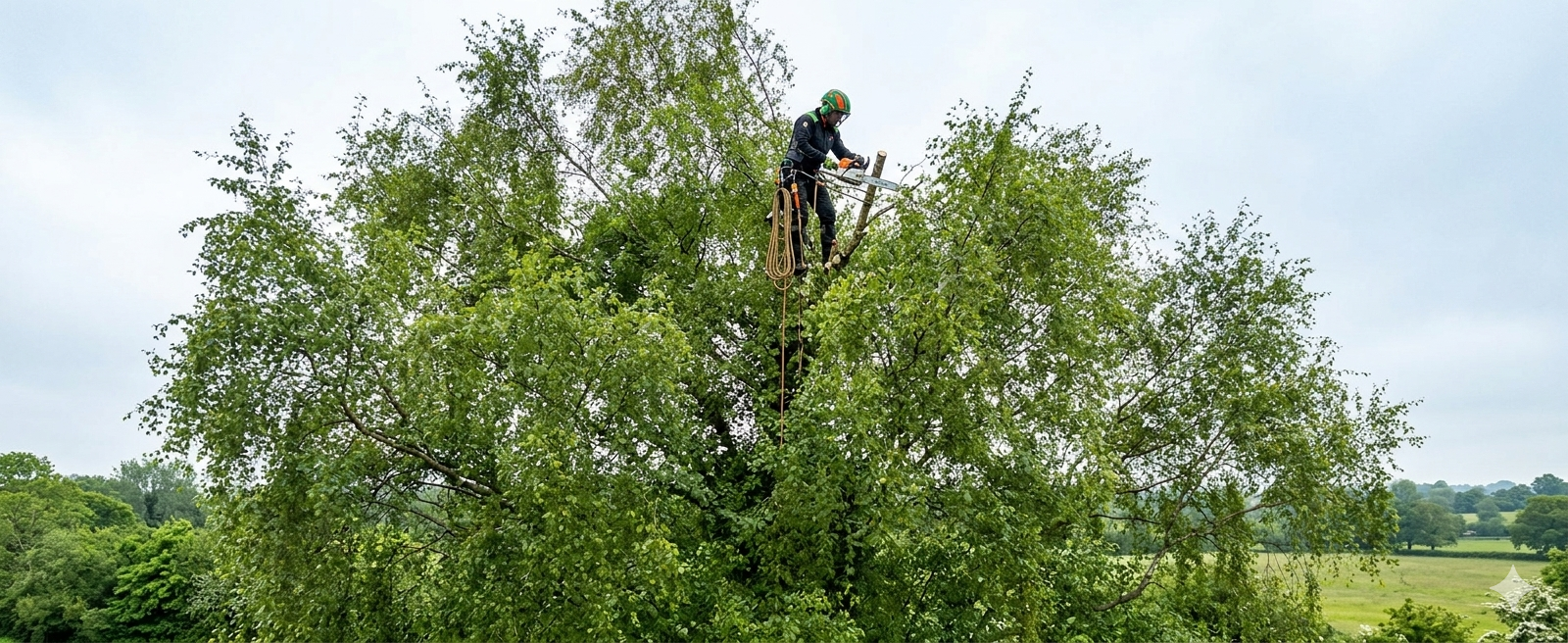
A tree that was once adding value and charm to your landscape can easily become a problem if not maintained properly. Limbs overstep their natural limits, canopies grow thick to block out the sun's light, and what used to be valuable becomes a menace. Tree crown reduction is the service that will put your overly grown trees back in their rightful place while maintaining good health and proper form. If crown reduction has never occurred to you before, here is your chance.
What Exactly Is Tree Crown Reduction?
Crown reduction is an advanced arboriculture process, which involves reducing the height and width of a tree's crown. Contrary to tree topping, which is a destructive process, crown reduction is performed based on the natural growth of the tree. The cut is always made above a growth point of the tree, where it can easily recover and grow in a desired way.
It produces a proportionate tree with a balanced look and appearance, fitting well in its environment. In Surrey, Hampshire, Berkshire and other surrounding areas, people hire our services because of this reason when trees have grown beyond their required sizes, overshadowing the gardens and neighboring places.
How Does the Crown Reduction Process Work?
A professional tree surgeon Surrey homeowners trust will always begin with a thorough assessment. Every tree is different. Species, age, current health, and the surrounding environment all influence how the reduction should be carried out and how much can safely be removed in a single visit.
The general process follows these key stages:
- Initial Assessment - The arborist inspects the tree for signs of disease, structural weakness, or decay before any cutting begins.
- Planning the Reduction - A clear plan is agreed, specifying how much of the canopy will be reduced, typically between 20 and 30 percent, to avoid stressing the tree.
- Precision Cutting - Branches are removed methodically using specialist equipment, always cutting back to a natural growing point to encourage healthy regrowth.
- Debris Removal - All cuttings, branches, and green waste are cleared from site, leaving your garden completely tidy.
- Post-Work Inspection - The finished tree is checked for balance, shape, and structural integrity before the team leaves.
This is not a job for an unqualified contractor. Crown reductions carried out incorrectly can leave a tree permanently disfigured, structurally weakened, and vulnerable to disease. Always hire a fully insured, qualified arborist.
Why Do You Actually Need Tree Crown Reduction?
There are several compelling reasons why homeowners and property managers book this service regularly.
Light and Space
An overgrown canopy blocks natural light from reaching your garden, your lawn, and even the rooms inside your home. Crown reduction opens up the canopy, allowing light to filter through and bringing your outdoor space back to life.
Safety
Overextended branches carry significant weight. During storms or high winds, they become a serious hazard to property, vehicles, and people below. Reducing the crown removes this risk before it becomes an emergency.
Tree Health
A well-maintained tree is a healthier tree. Removing dead, crossing, or overcrowded branches improves air circulation within the canopy and reduces the risk of fungal infection, pest infestation, and structural failure.
Deadwooding During Crown Reduction
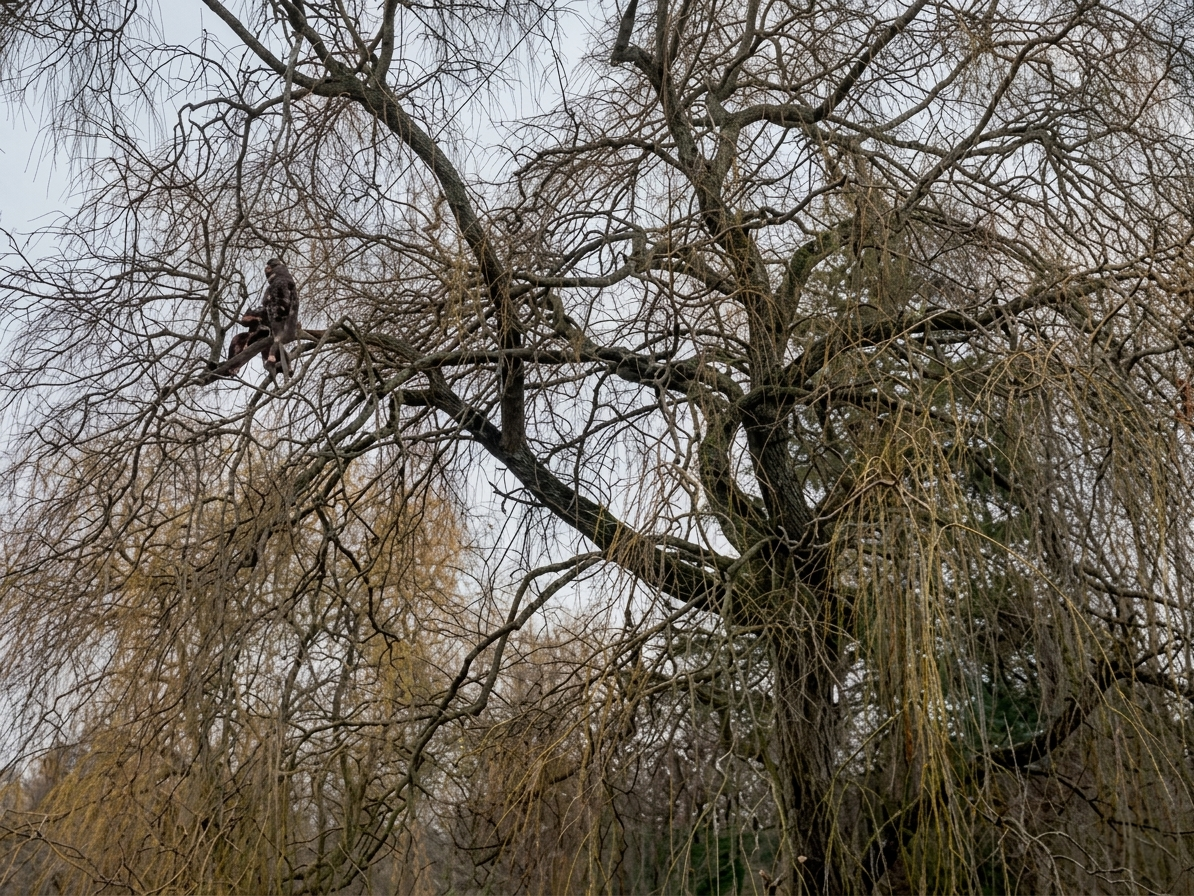
One of the most valuable aspects of a professional tree crown reduction service is the opportunity to carry out dead wooding at the same time. Dead or decaying branches hidden within a dense canopy are often invisible from ground level. Left untreated, they pose a serious falling hazard and allow disease to spread deeper into the tree. Addressing dead wooding alongside crown reduction gives your tree the most thorough care possible in a single visit.
Property and Neighbour Relations
Trees that encroach on neighbouring properties or block shared light can create real tension. A timely tree crown reduction resolves the issue professionally and keeps relationships intact.
Avoiding Full Removal
Regular crown reductions extend a tree's lifespan considerably. Many trees that might otherwise require a full tree removal service can be saved with timely, well-executed reduction work. Investing in maintenance now avoids far greater cost and disruption later.
Crown Reduction vs Tree Removal: Which Do You Need?
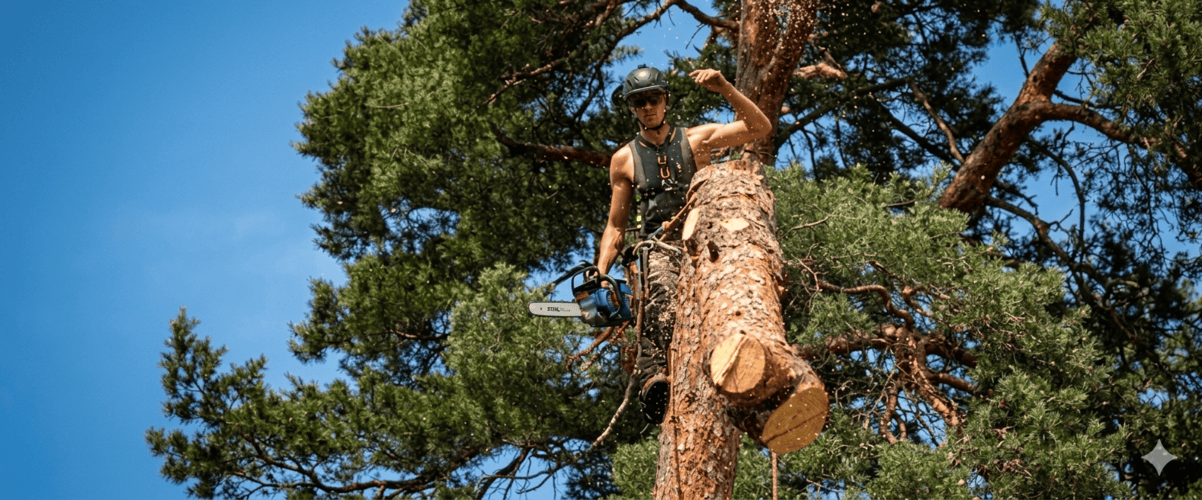
Not every problematic tree needs to come down. A good tree surgeon who serves Surrey will always consider the crown reduction process as a primary alternative to recommend for a tree removal service. Tree removal only occurs where a tree is dead, dying, diseased beyond cure, or irreversibly weakened.Where your tree is healthy yet it is too large or wide, then crown reduction is always the way to go. It retains the tree in your garden and is cost-effective compared to tree removal.
Final Thoughts
Tree crown reduction is probably one of the most beneficial services offered to homeowners who are interested in keeping their trees healthy and safe without having to remove them. Done by a professional, it guarantees the health of your tree, improves the environment around your property, and eliminates any risks that may come up.
For homeowners and businesses across Surrey, Hampshire, Berkshire, and surrounding areas, NGH Tree Care delivers expert crown reductions with precision, care, and full insurance cover. Contact NGH Tree Care today for a free, no-obligation assessment and take the first step towards a healthier, safer garden.
Frequently Asked Questions
Q: How much of a tree can be removed during crown reduction?
Typically between 20 and 30 percent of the canopy is removed in a single session. Removing more than this can cause significant stress to the tree and slow its recovery.
Q: How often should tree crown reduction be carried out?
Most trees benefit from crown reduction every three to five years, depending on the species and growth rate. Fast-growing species may require more frequent attention.
Q: Will crown reduction damage my tree?
Not when carried out correctly by a qualified arborist. Proper technique ensures the tree heals cleanly and continues to grow in a healthy, controlled manner.
Q: Is planning permission required for tree crown reduction?
If your tree is protected by a Tree Preservation Order or sits within a conservation area, you will need to notify your local authority before carrying out any work.
Q: How long does a crown reduction take?
Most residential crown reductions are completed within half a day to a full day, depending on the size and complexity of the tree.
Q: Is deadwooding included in a crown reduction service?
At NGH Tree Care, deadwooding is carried out as part of our crown reduction process wherever it is needed, ensuring your tree receives comprehensive care in a single visit.